It's great when customers come back and show us how they styled a garment they bought from us and tell us they got compliments.
How did your business start?
The business started about a year ago. We were both looking for work and wanted to do something together. We share a great interest in second hand and have previously done flea markets together.
We decided to build Relove & More from scratch, literally. We travelled around Malmö and collected donated materials, such as pallets. We built the shelves ourselves, and we painted and created the entire store ourselves. Today, about 99% of the shop's interior is recycled.
What is your vision for the shop?
We want to be a creative and inspiring meeting place for Malmö residents. For us, second hand is something that is for everyone, and we see that in our clientele.
Many customers come in regularly just to socialise. We know each other by name and it has become like a little community. There's also a lot of nostalgia in the shop. Many people recognise things from their childhood or from previous generations.
How do you work with sustainability in practice?
We don't just want to run a shop, we want to make a difference. We collaborate with daily activities and give designers the opportunity to test their products in our store through a dedicated shelf.
We also have international partnerships, with a village in Kenya where we buy baskets. Right now we are also working with Jobbsprånget.
Our entire business model is based on reuse. We reuse everything we can and buy second hand as much as possible. The only things we have bought new are things like screws and nails.
What does being part of the City mean to you?
It gives us the opportunity to meet many different people. We learn about their stories and backgrounds, which is very valuable.
We meet people from all over the world, which makes our work both fun and inspiring.
How do you see customer behaviour changing?
We see that more and more people are open to second hand. Something that surprised us is how many older customers shop with us. For example, we have many Danish women over 80 who come in several times a week.
Everyone has different reasons for shopping second hand. Some are price conscious, others are looking for something specific and some do it out of consideration.
What do you think distinguishes second hand from new fashion?
Every garment or object has a story. This makes it more personalised.
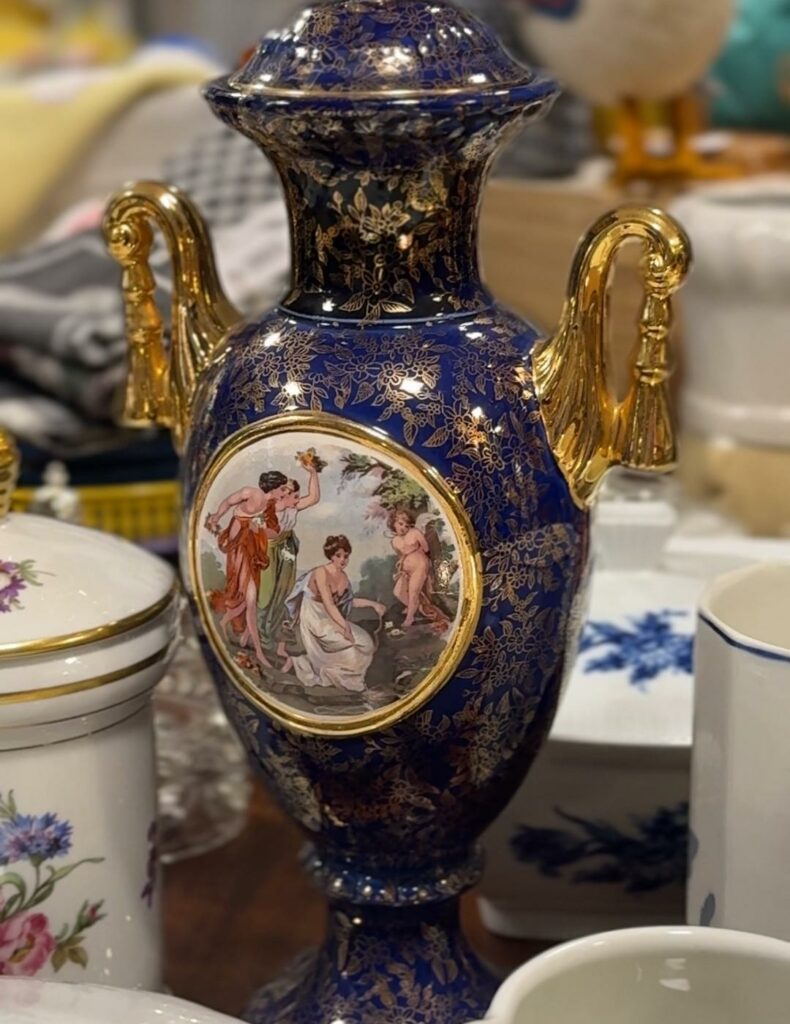
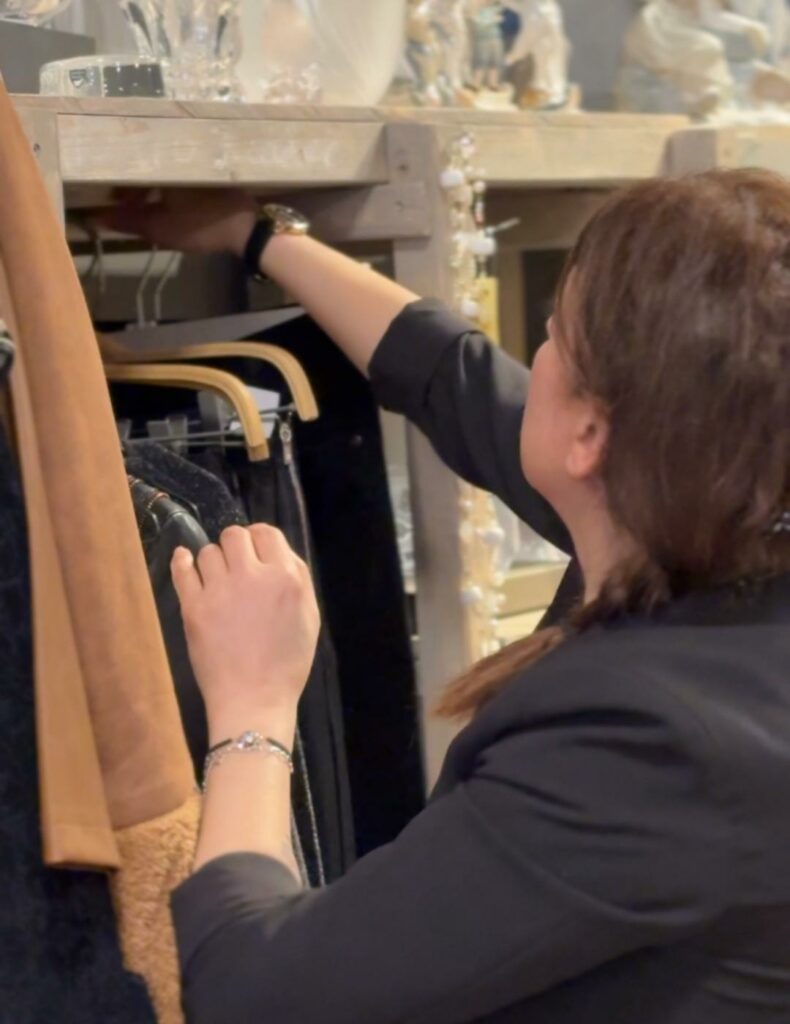
We have divided the responsibility so that Helena focuses on clothes and Lousie on gadgets. When it comes to gadgets, there is often the opportunity to find out more about the background, sometimes it can be objects from the late 1800s.
Even the clothes are unique as we usually only have one of each.
What inspires you in your work?
Creativity is a big driving force, no two days are the same and there is always something new happening in the store.
It can be anything from solving practical problems to finding out the story behind an object. Customer meetings are also a great source of inspiration.
We also organise workshops, do interior design assignments outside the store, reuse exhibitions and events with a reuse theme such as weddings, christenings and the like. Right now we are decorating for the new food court Cantin down in Varvsstaden.
What do you hope customers feel when they leave the shop?
We hope they feel inspired. Many describe the store as a treasure trove, and we want them to take that feeling with them.
If someone has never shopped second-hand, what would you say to them?
You'll often find things you didn't know you were looking for. It's often good quality and at a lower price than in many other shops.
 English (UK)
  Svenska
  Dansk
Dansk  Deutsch